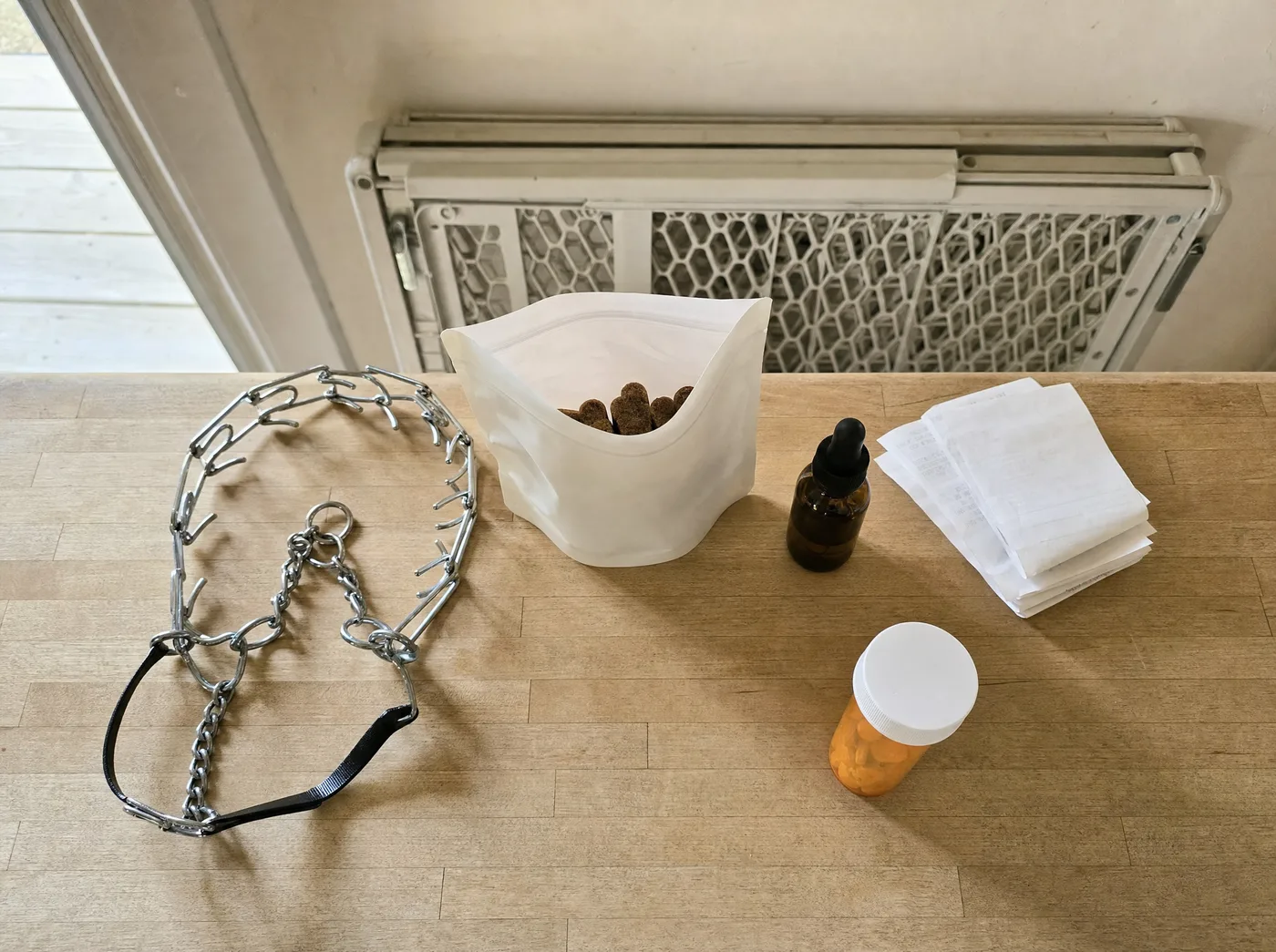
You hired the trainer. Then a second one. You bought the prong collar, the calming chews, the CBD oil.
And somehow he is getting worse, not better.
Maybe it started small. A growl when someone reached over him. A hard stare at anyone near his bowl. Then the doorbell rang and he hit the end of the leash like he wanted to go through the door.
Then one day he snapped near someone you love, and everything in the house changed.
And here is what really breaks owners. Nobody blames the dog. They blame the person who kept him near the kids. The person who "should have done something by now."
Maybe someone in your own house has already said it out loud. "Either that dog goes, or I do."
Maybe you are the one sleeping on the couch next to his crate, keeping him and the kids in separate rooms, waiting for a deadline.
If he got worse after a round of antibiotics, or slid downhill over years of the same kibble, you already know this in your gut. It is not the training. It is not the breed. It is not you failing him.
His body has been telling him he is in danger, all day, every day, for years. And no trainer can argue a body out of that.
You just need to recognize the signs.
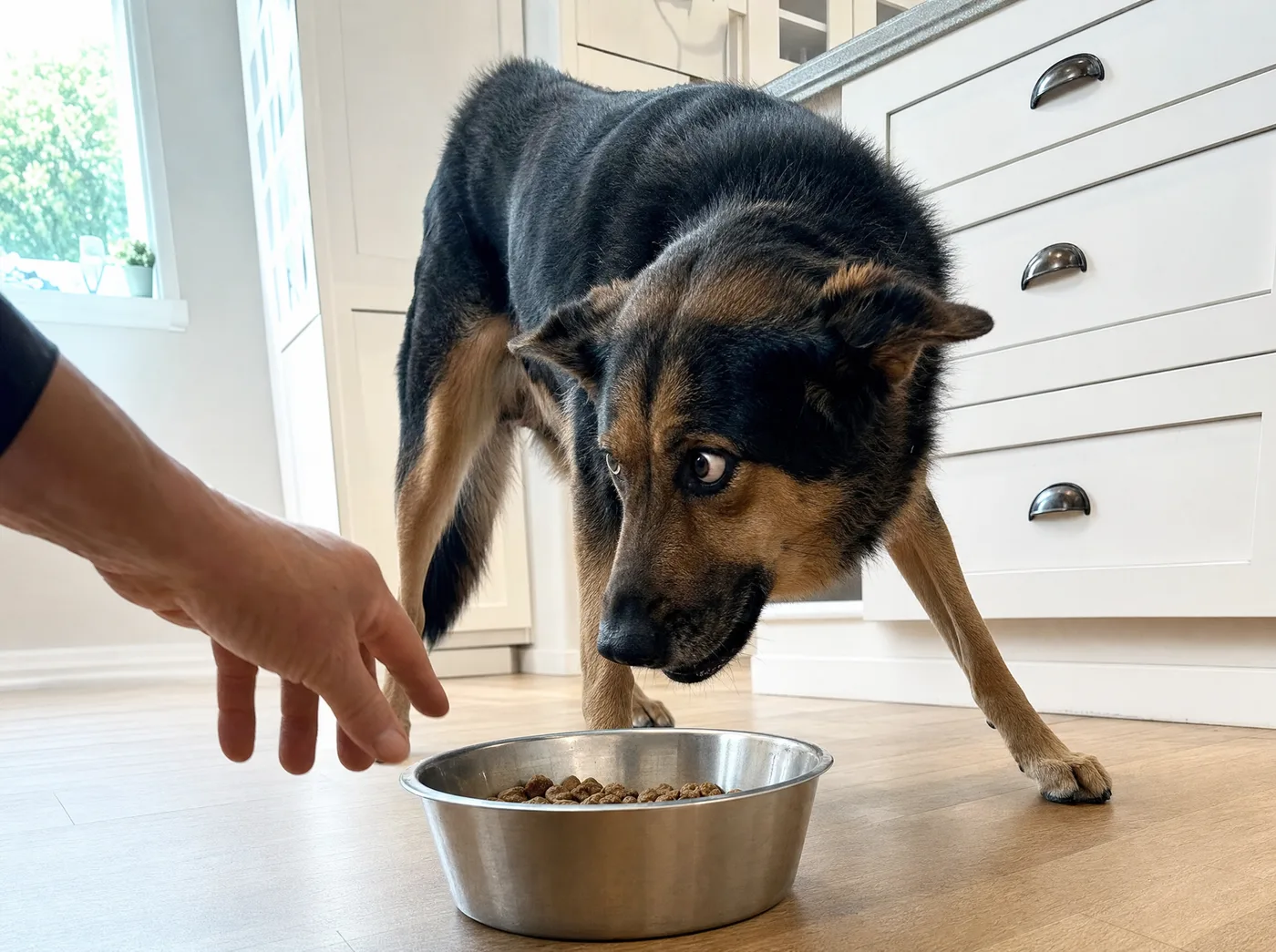
- He growls when anyone reaches over him, or walks past his bowl
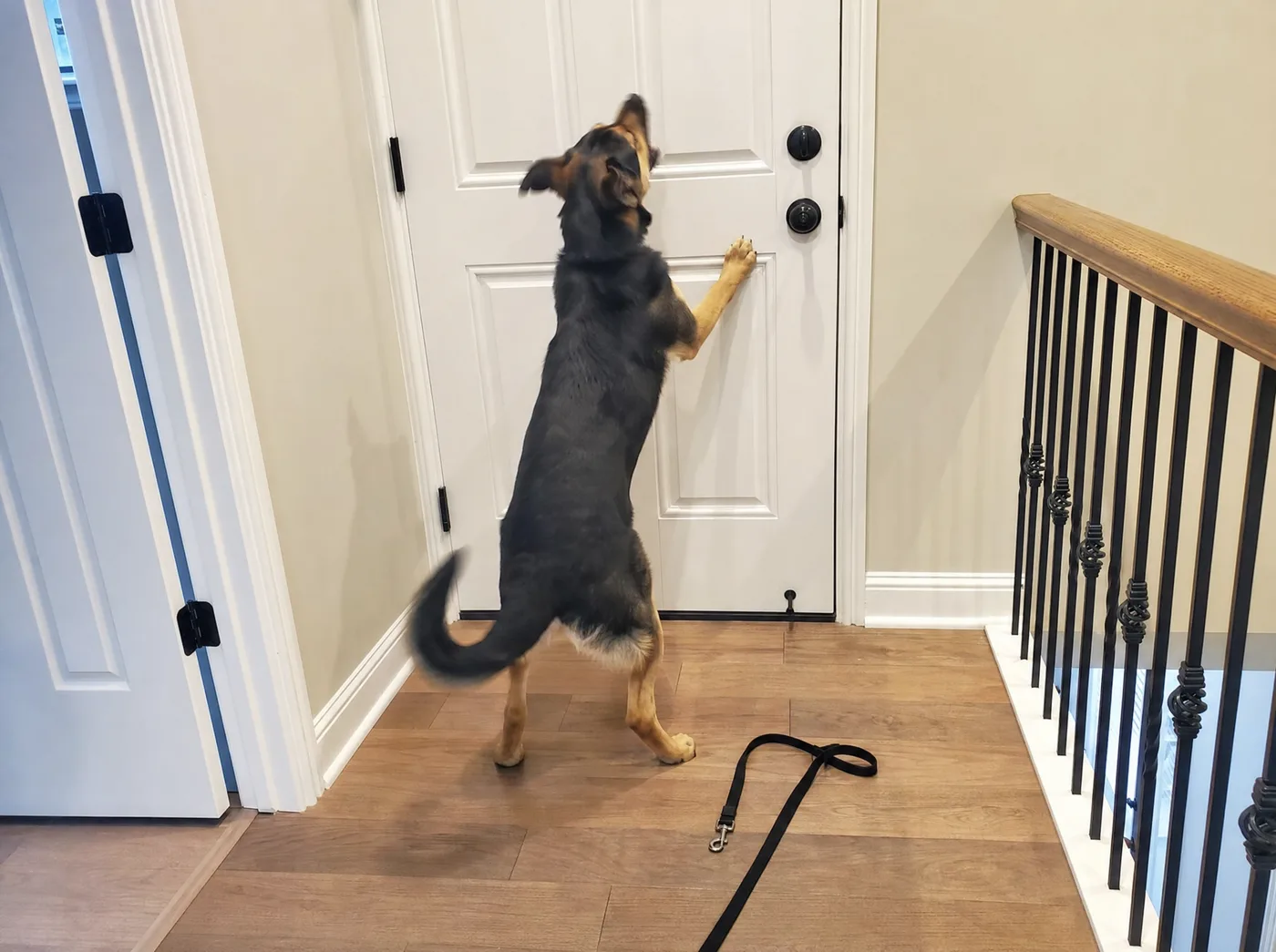
- He lunges at the doorbell like the house is under attack
- He startles at a dropped pan, a dropped cup, a chair scraping the floor
- He paces at night and cannot settle, even when the house is quiet
- He is fine for days, then snaps out of nowhere, and looks confused afterward
- He has had round after round of antibiotics. Ear infections, a skin thing, a surgery, a dental cleaning
- Two trainers, a prong collar, the calming chews, and he only got worse
If even two or three of those sound like your dog, this is not a training problem.
Here is what the research shows. Dogs that snap and lunge carry a different mix of bacteria in their gut than calm dogs do [1] [2]. And nobody at the clinic checks his gut when he growls.
It starts with his gut. A single round of antibiotics can leave a dog's gut without its good bacteria for four weeks or more [3]. Two ear infections. The skin thing. The neuter. The dental cleaning. That is six or seven rounds, and nobody counts them.
Add years of the same cooked kibble, and the good bacteria never come back on their own. The bad bacteria take over, and they inflame his gut.
His body reads inflammation as danger. Danger means cortisol, his stress hormone, pumped out all day, every day.
Cortisol tells his body one thing. You are under attack.
So he guards his bowl. He growls when a hand comes over his head. He hits the end of the leash when the bell rings. He is not being mean. He is a dog whose body has been screaming danger for years.
Cortisol is the same hormone as prednisone. Ask anyone whose dog was ever on it. Pacing, snapping, a dog you do not recognize. Vets even have a name for it. Steroid rage.
In one study, dogs on steroids startled more, barked more, and were more aggressive around their food [4]. Prednisone is cortisol in a pill. Your dog's body is making its own.
That is why you can train him for the rest of his life and he still snaps. Training teaches him what to do. It cannot switch off the alarm that is telling him he is in danger.
And before anyone says it, yes, sometimes it is pain. A bad tooth. A sore hip. If your vet has checked him for pain and found nothing, and for most snapping dogs they have, then what you are looking at is cortisol. And cortisol needs a different fix than "more training."
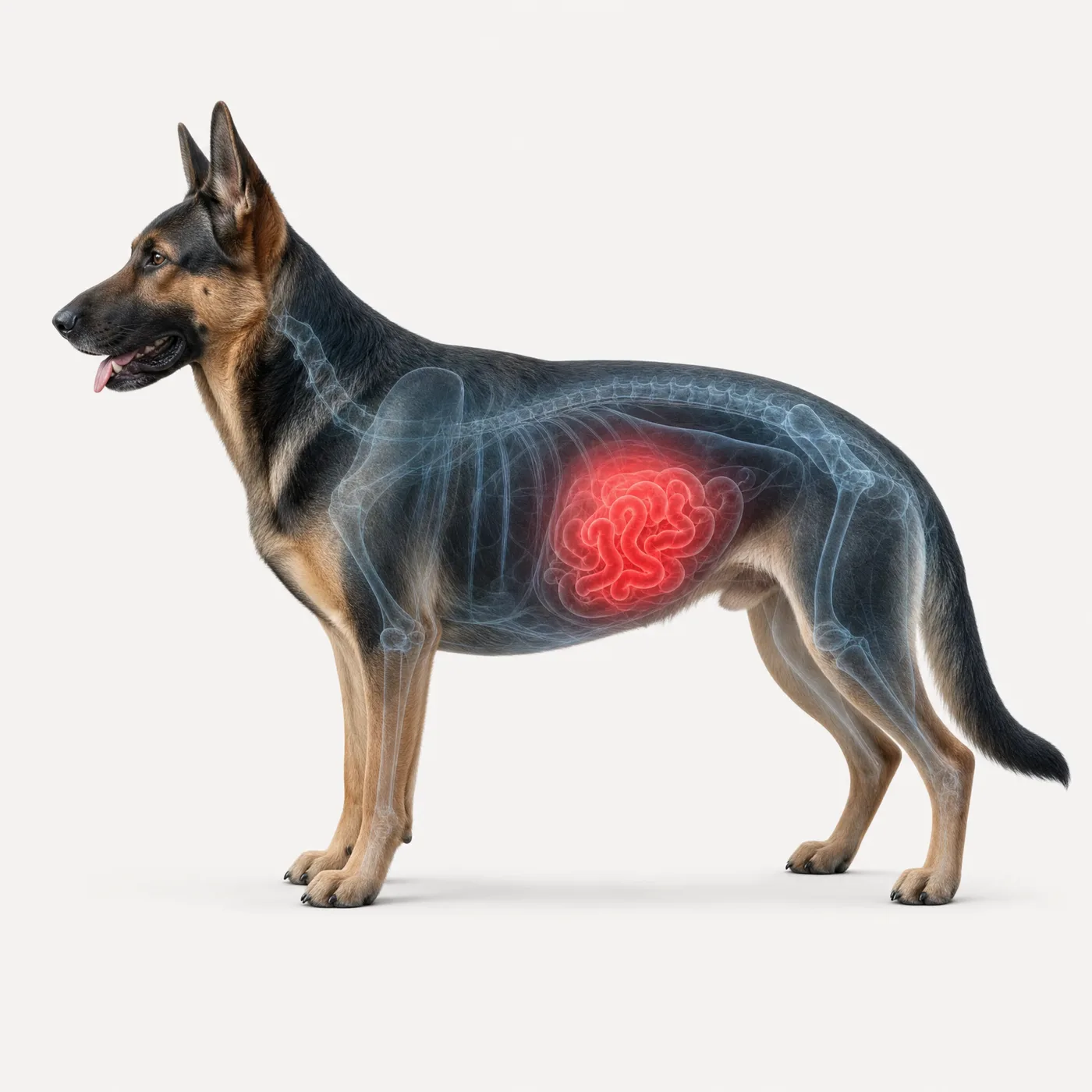
If you have watched your dog get worse while you spent hundreds on trainers, the prong collar, and the calming chews, you are not alone. And you did not fail your dog.
One owner told us she paid two trainers in one year for her shepherd mix. She did every drill. Then a prong collar. Then the calming chews and the CBD oil. Her dog went from growling over his bowl to lunging at the doorbell.
Her story is not rare. It is the rule.
None of it failed because you did it wrong. It failed because all of it works on his behavior. His behavior is not the problem. The alarm going off inside his body is.
And you will never train off cortisol. A correction does not switch the alarm off. It adds fear on top of the danger his body already feels, and his body reads that fear as more danger.
Your vet may have said the word Prozac. That is not a wrong answer, and it has been used for aggressive dogs for thirty years [5]. It works on the brain side, turning the volume down. But it can take weeks to build up, and it never touches the place the alarm is coming from. If your vet has put him on it, keep him on it. What follows works alongside it.
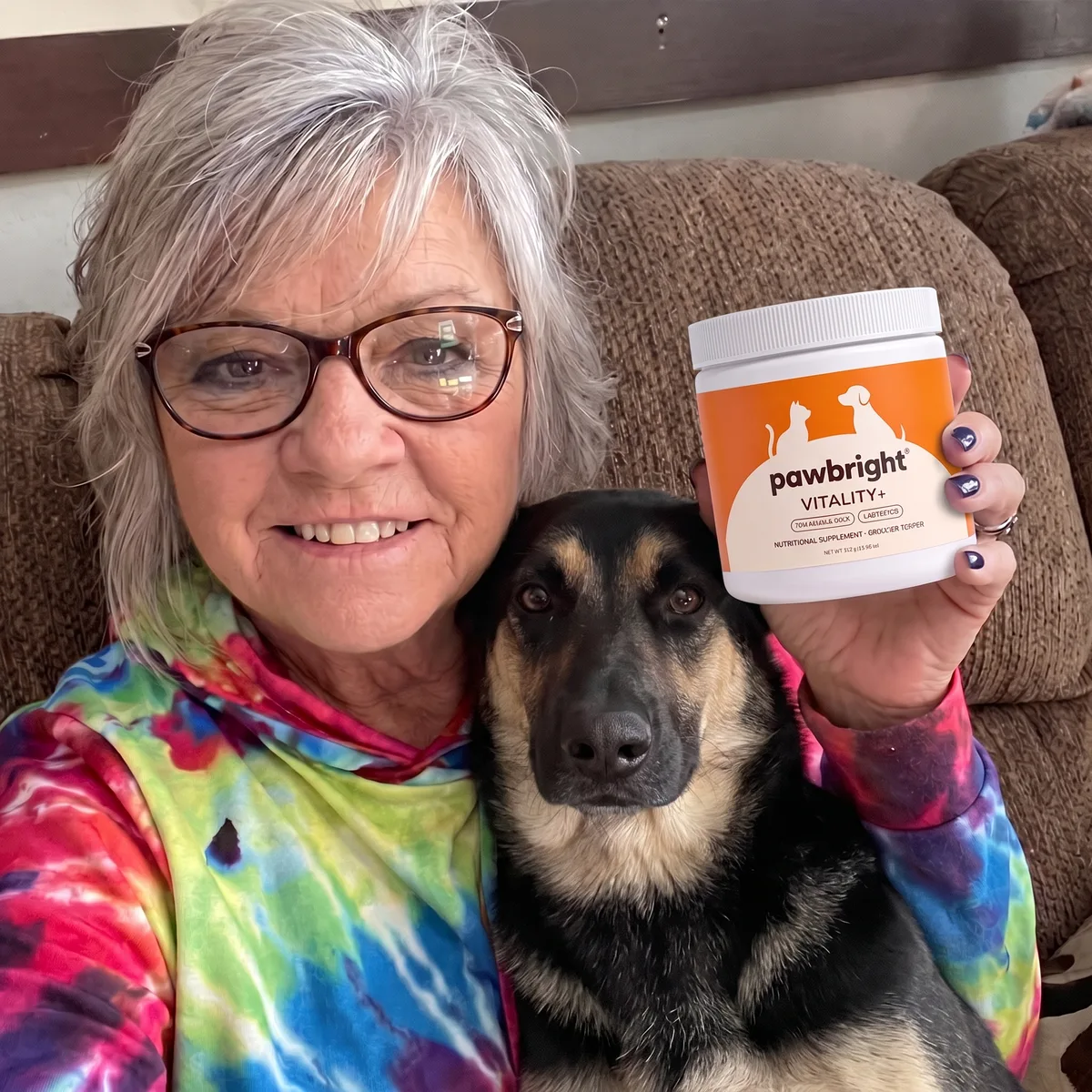
That is why over 30,000 dog parents have turned to PawBright Vitality+.
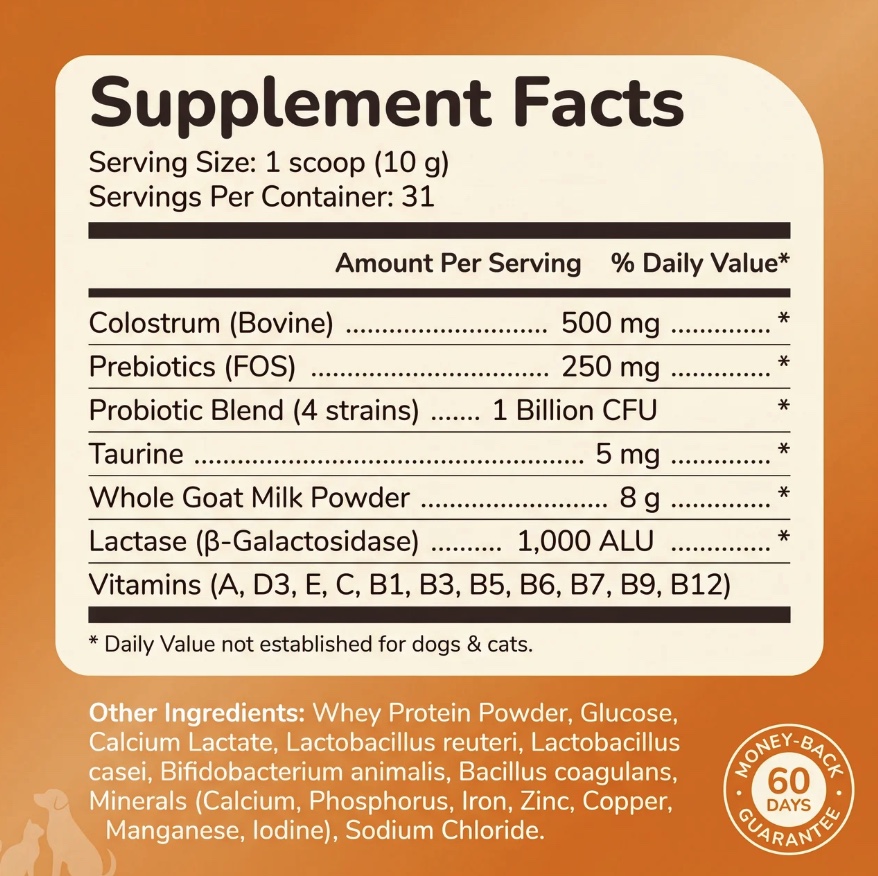
Instead of another trainer, one scoop on his breakfast puts the good bacteria back. Four live strains, one billion per scoop, including Lactobacillus reuteri, the strain shown to bring cortisol down [6]. FOS prebiotic to feed them so they take the gut back. Whole goat milk to heal the lining.
The good bacteria take the gut back. The inflammation goes. The danger signal stops. Cortisol comes down. That is when his body finally stops sounding the alarm.
And it works alongside whatever you are already doing. Same trainer, if you have one. Same medication, if your vet prescribed one. You are not replacing the plan. You are fixing the thing the plan could never reach.
PawBright Vitality+ was created by dog owners who got burned by training first. They watched their own dogs pass every class and still growl over the bowl at home.
They worked with veterinarians, and with breeders who had spent thirty years raising shepherds. The breeders had always said the same thing. In every litter there are one or two like this. It was never the dog.
Together they built something that did not fight the behavior. It went after the cortisol that was telling his body he was under attack.
The result is one scoop of tasteless powder on his breakfast. No pills he spits out. No collar. No new trainer.
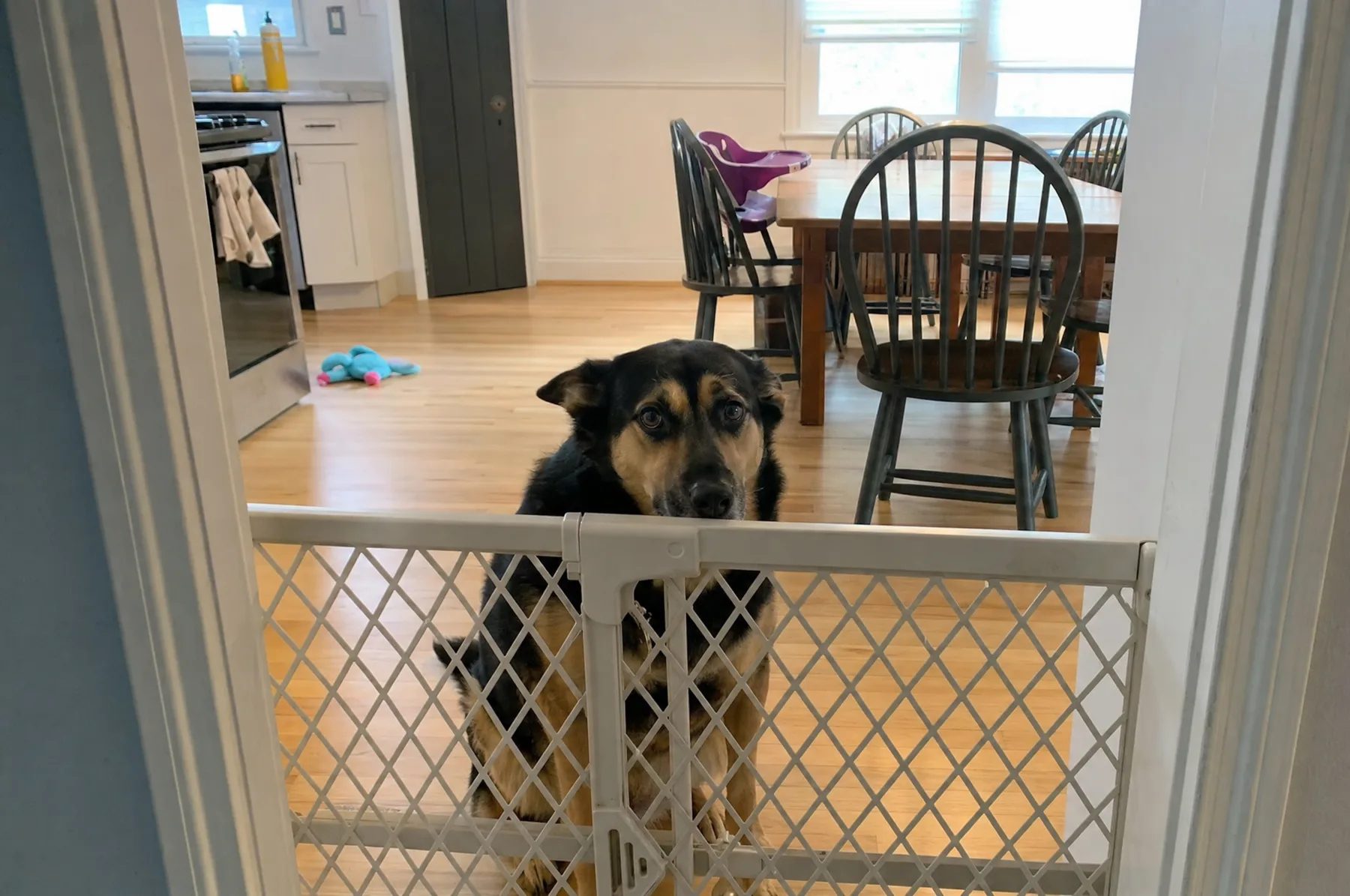
Owners who kept their dog behind a baby gate are folding the gate up. Owners who slept on the couch next to the crate are back in their own bed.
Most see the first change inside the first week. By week six, the dog everyone was afraid of is asleep against someone's leg.
And because it is backed by a 60 day money back guarantee, you can use the whole tub and still get every penny back if the doorbell still sets him off.
Walk into any pet store and the shelves are stacked with calming chews, calming collars, hemp drops, and "anxiety" treats. Every bag promises the same thing. Give it before the trigger, and he will settle.
Except your dog has already tried that. And he still snapped.
The reason is simple. A chew wears off in a few hours. Cortisol is being made all day. As long as the alarm inside his body is on, the order is the same. Guard the bowl. Watch the door. Trust nobody.
Worse, most probiotics on that shelf never arrive alive. Ordinary strains die in the stomach before they reach his gut. Many tubs ship with a fraction of the count on the label. And without a prebiotic to feed them, the few that survive starve before they ever take the gut back.
That is why PawBright Vitality+ is different. It is built as one system, so the good bacteria arrive, get fed, and stay.
- Lactobacillus reuteri. The strain shown to bring cortisol down and calm the stress response [6]
- Four live strains, one billion per scoop. Enough to take the gut back from the bad bacteria. Live probiotic strains have now been shown in placebo controlled trials to reduce aggression and anxiety in dogs [7] [8]
- FOS prebiotic, 250 mg. Feeds the good bacteria so they grow and hold the gut, shown to shift the gut of adult dogs toward the good strains [9]
- Whole goat milk, 8 g. Its natural oligosaccharides calm and heal an inflamed gut lining [10]
With Vitality+ you are not correcting him. You are turning off the alarm.
✔ Cortisol down
✔ The growling over the bowl stops
✔ The doorbell goes back to being a doorbell
✔ Same food, same routine, same family
For the first time, dog parents have a way to fix the snapping at its source. And thousands are already seeing what happens when a reactive dog is treated as a scared dog, not a mean one.
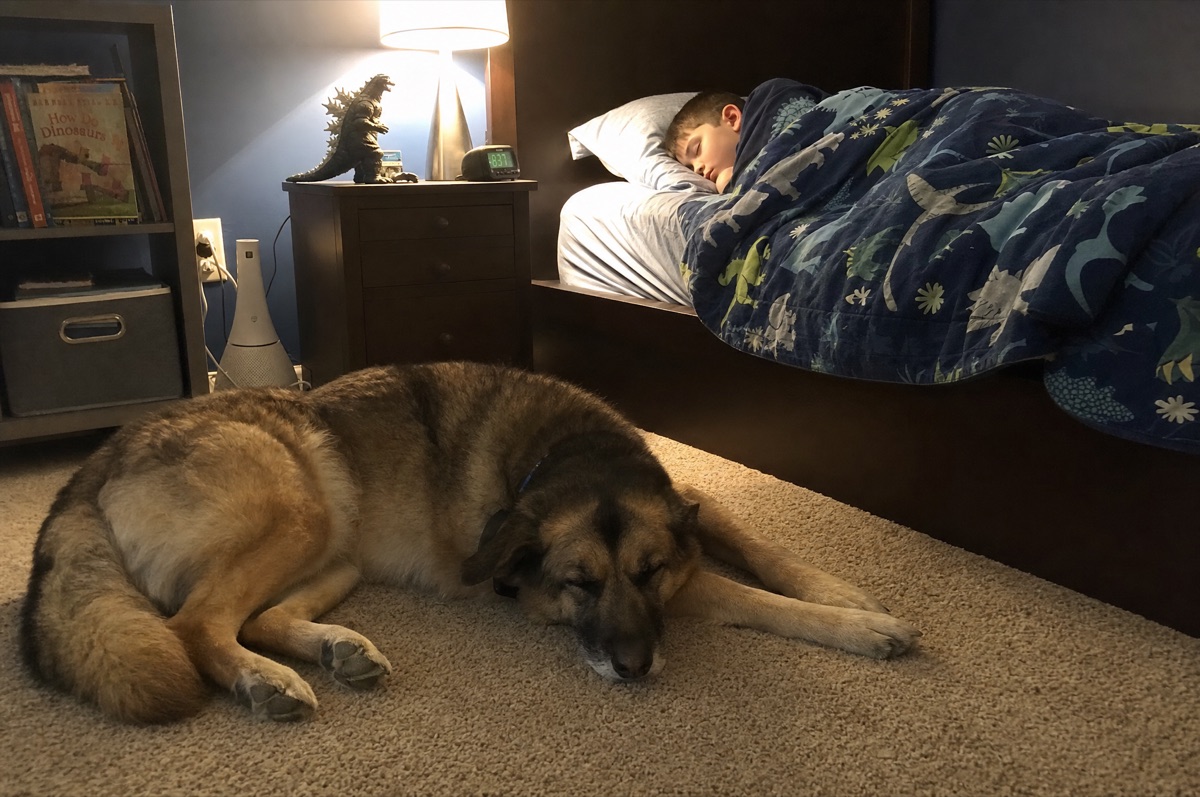
Real change takes time. But you do not have to wait six weeks to see something happen.
Here is the honest part. For the first few days you will see nothing. The good bacteria are moving in, and you cannot watch a gut work.
Then the changes come in an order. And the first one is small enough to miss if you are not watching for it.
Here is what owners typically report.
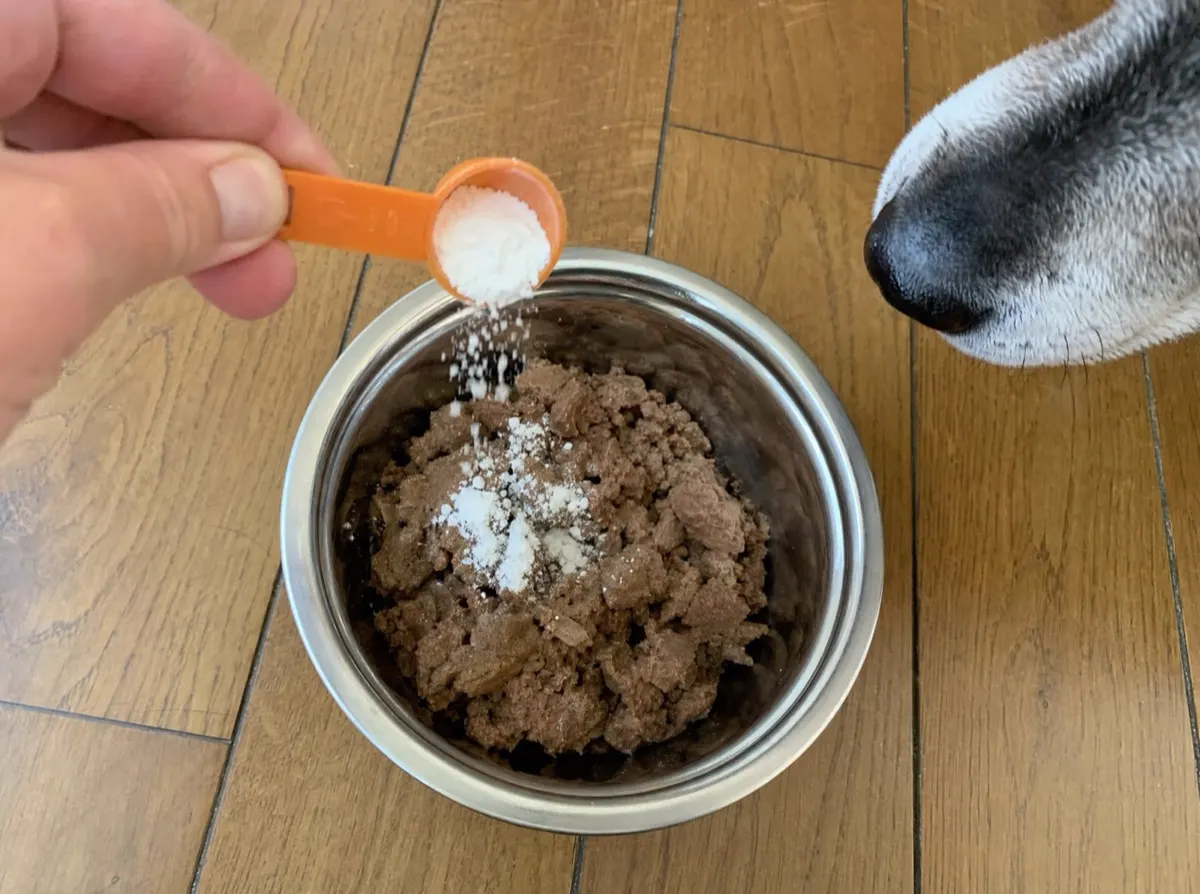
The bell rings. Two barks. Then he looks at you and stops. By day six you reach over his bowl to add the scoop, and he wags.
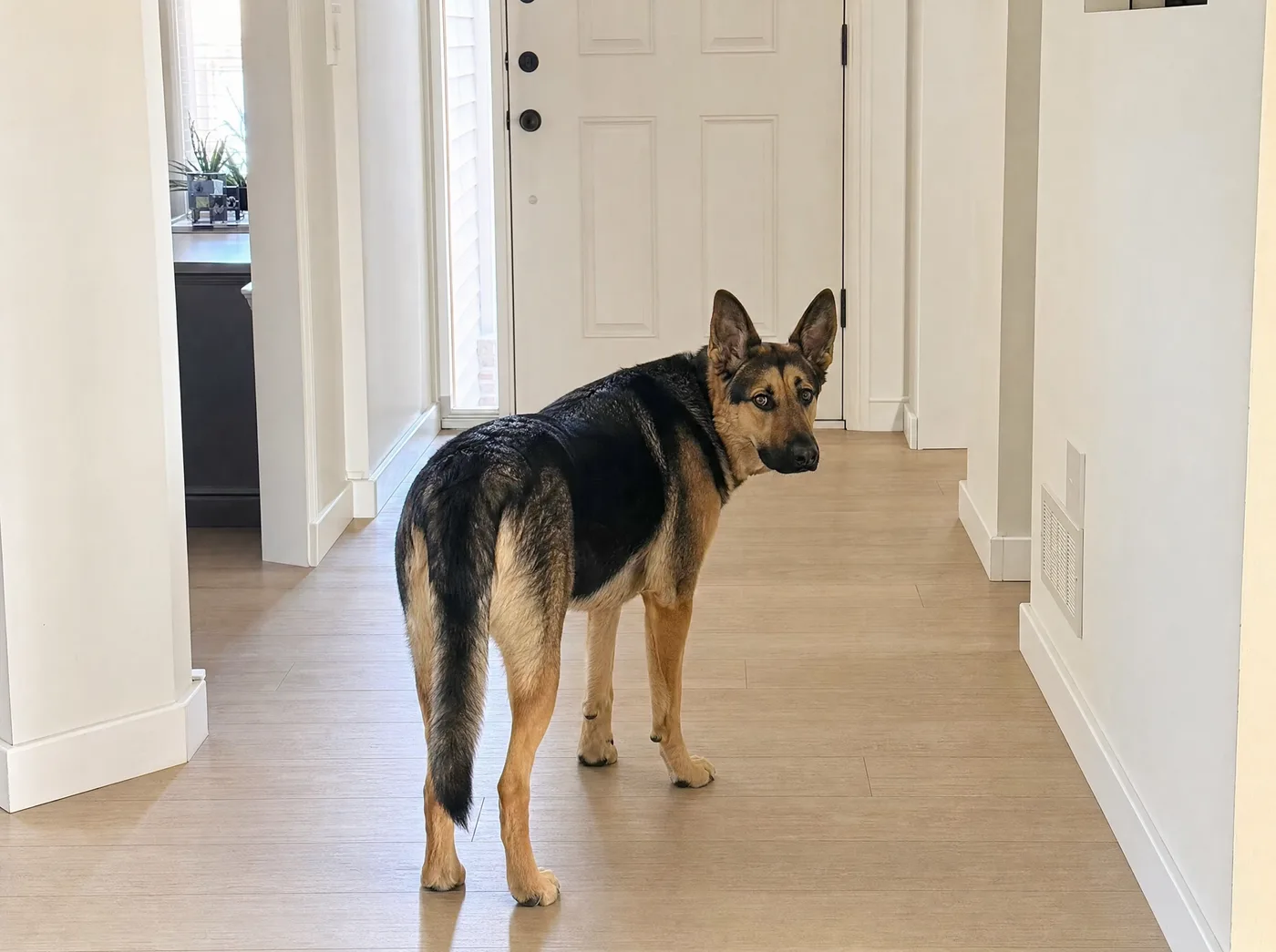
A pan hits the floor right next to him. He lifts his head and puts it back down. This is the week somebody in the house watches from the doorway and says nothing.
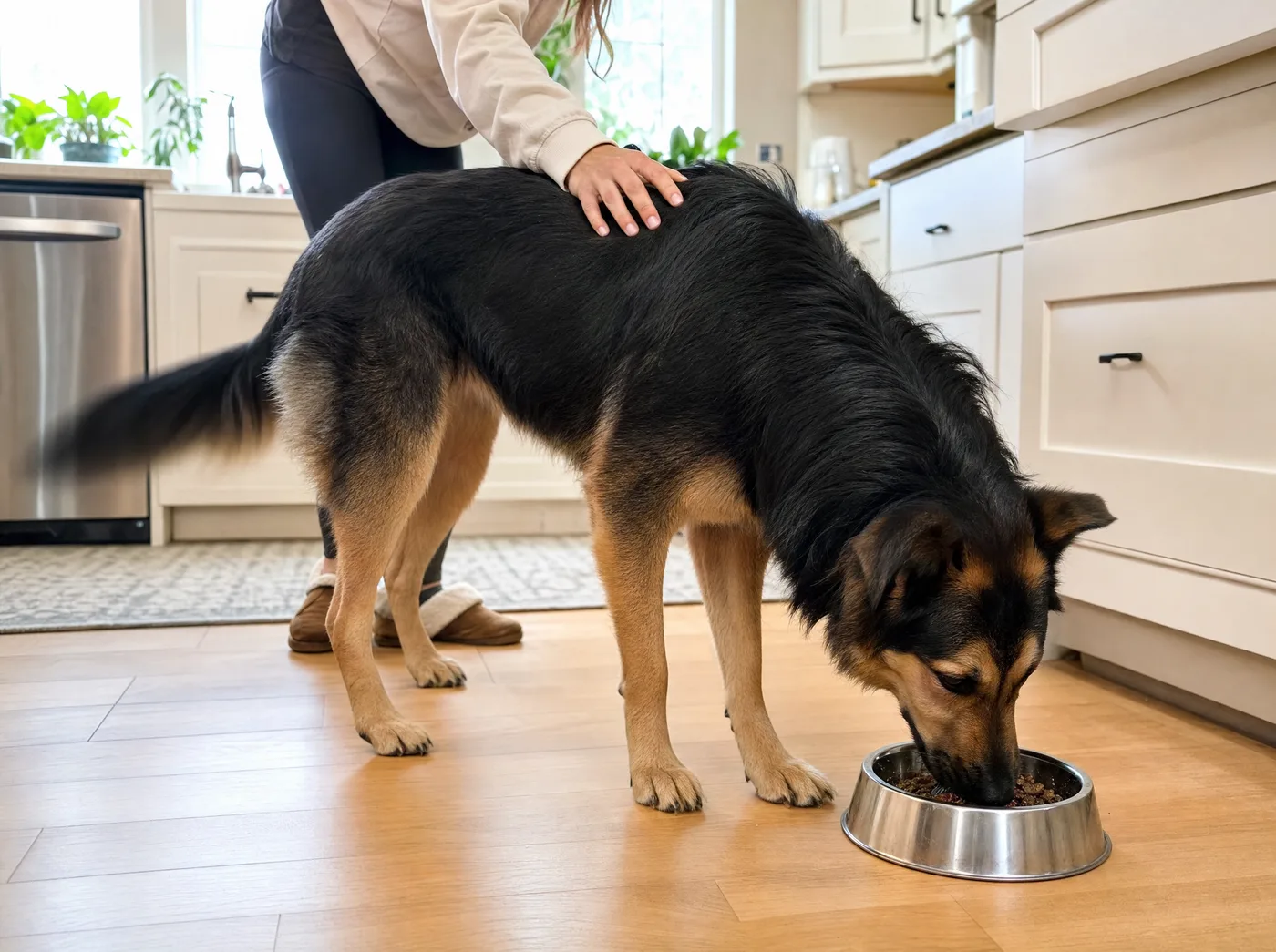
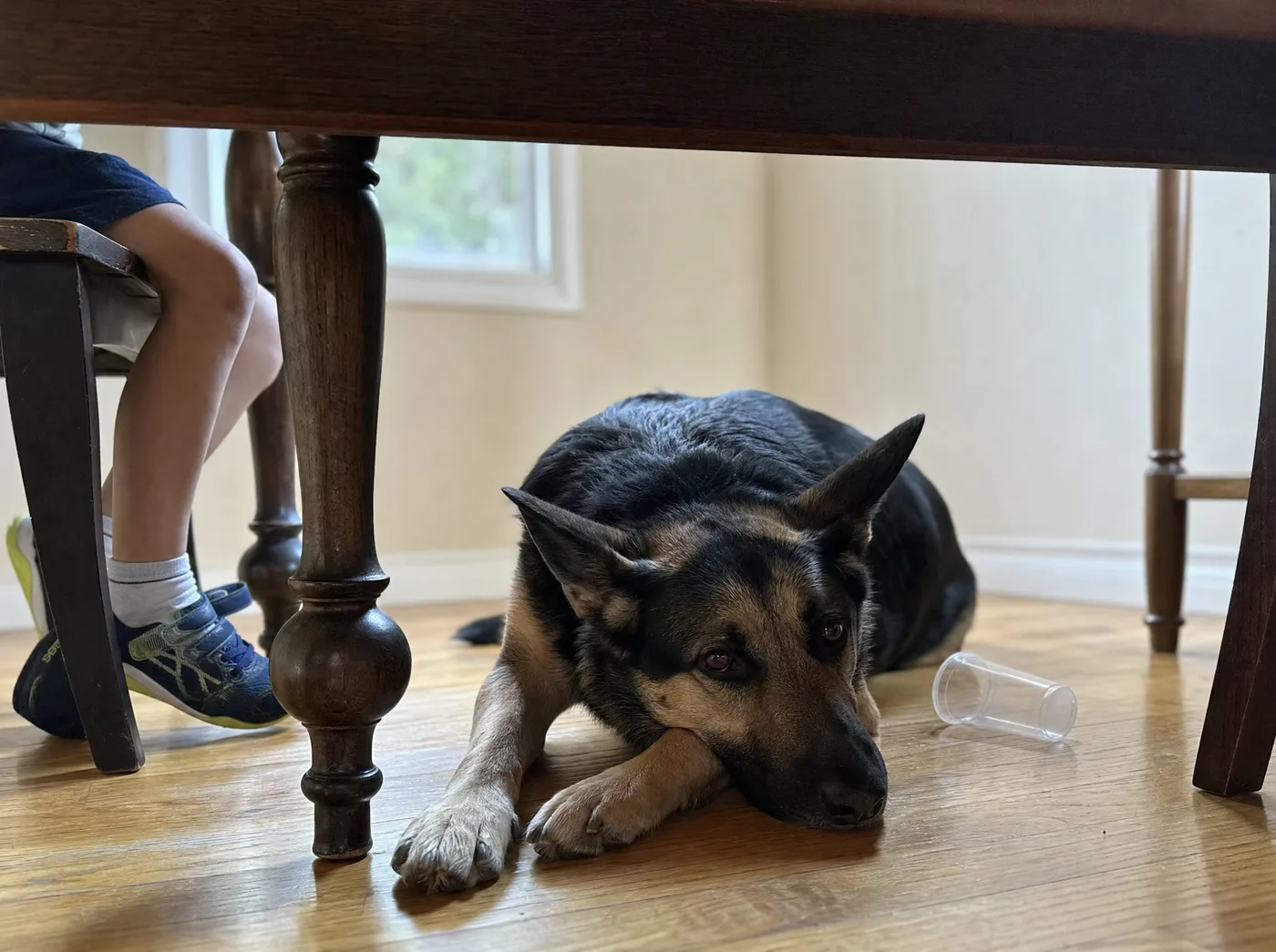
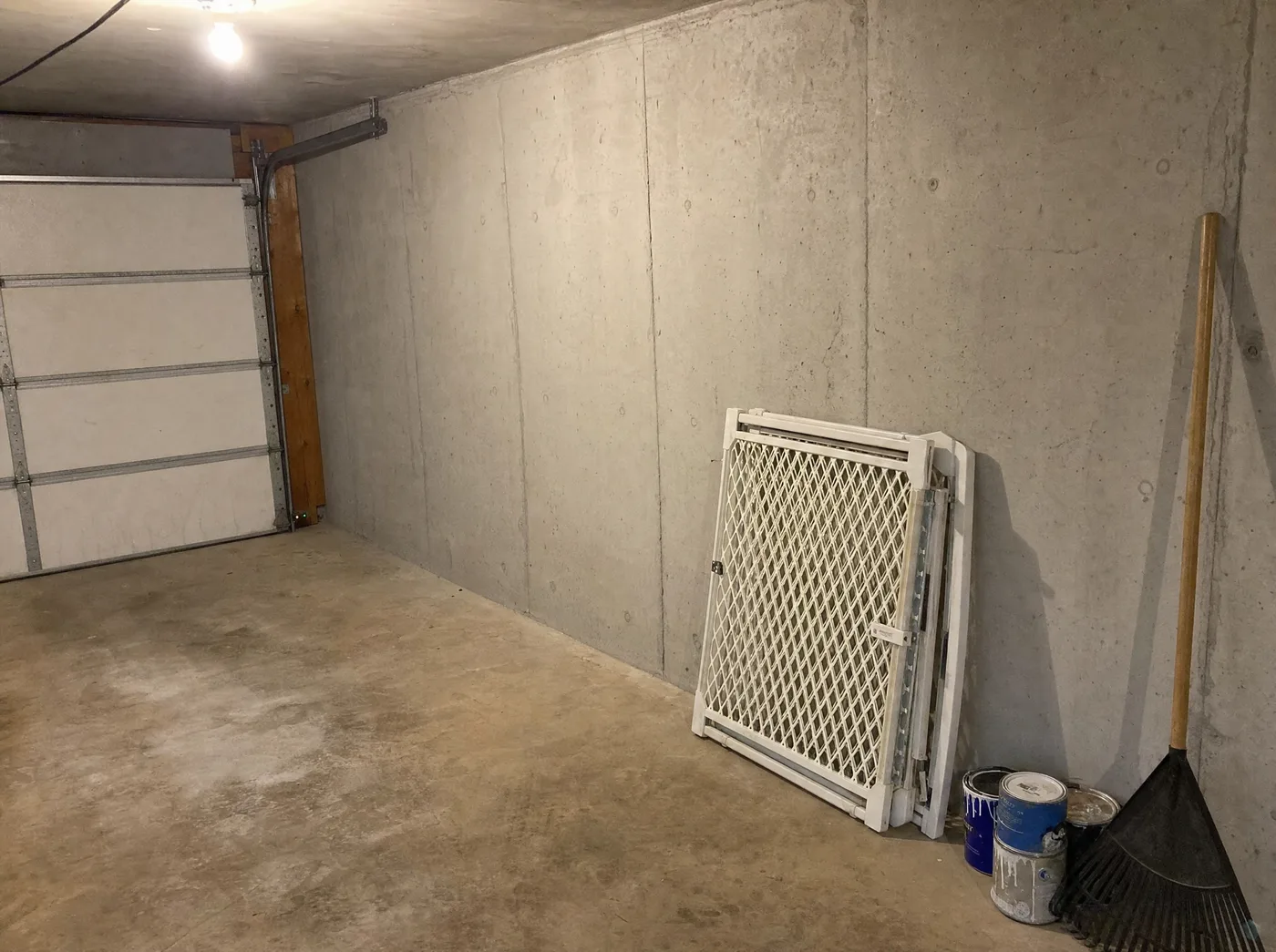
Your kid drops a cup right next to him. He sniffs it and walks away. That night, the baby gate goes to the garage.
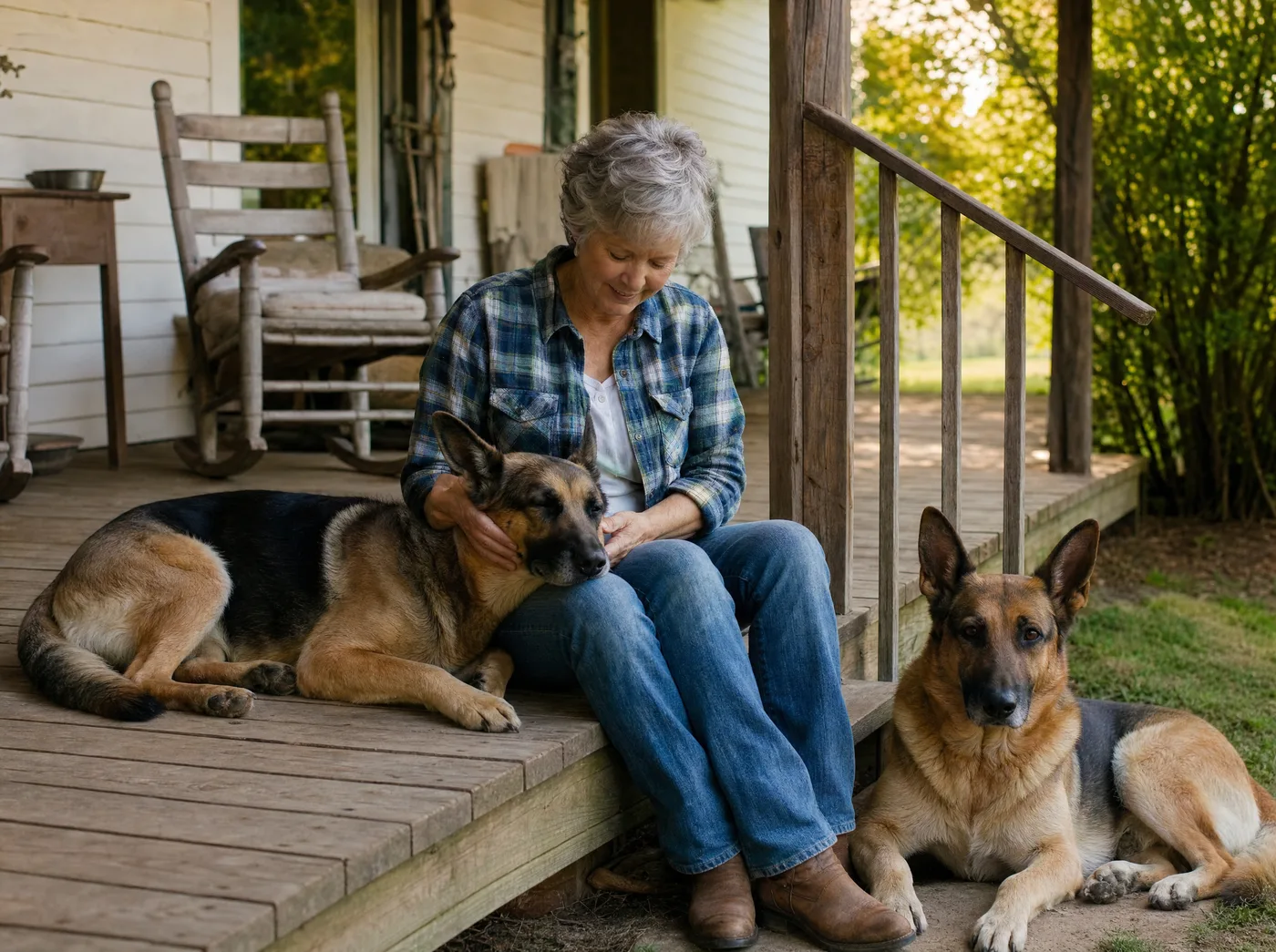
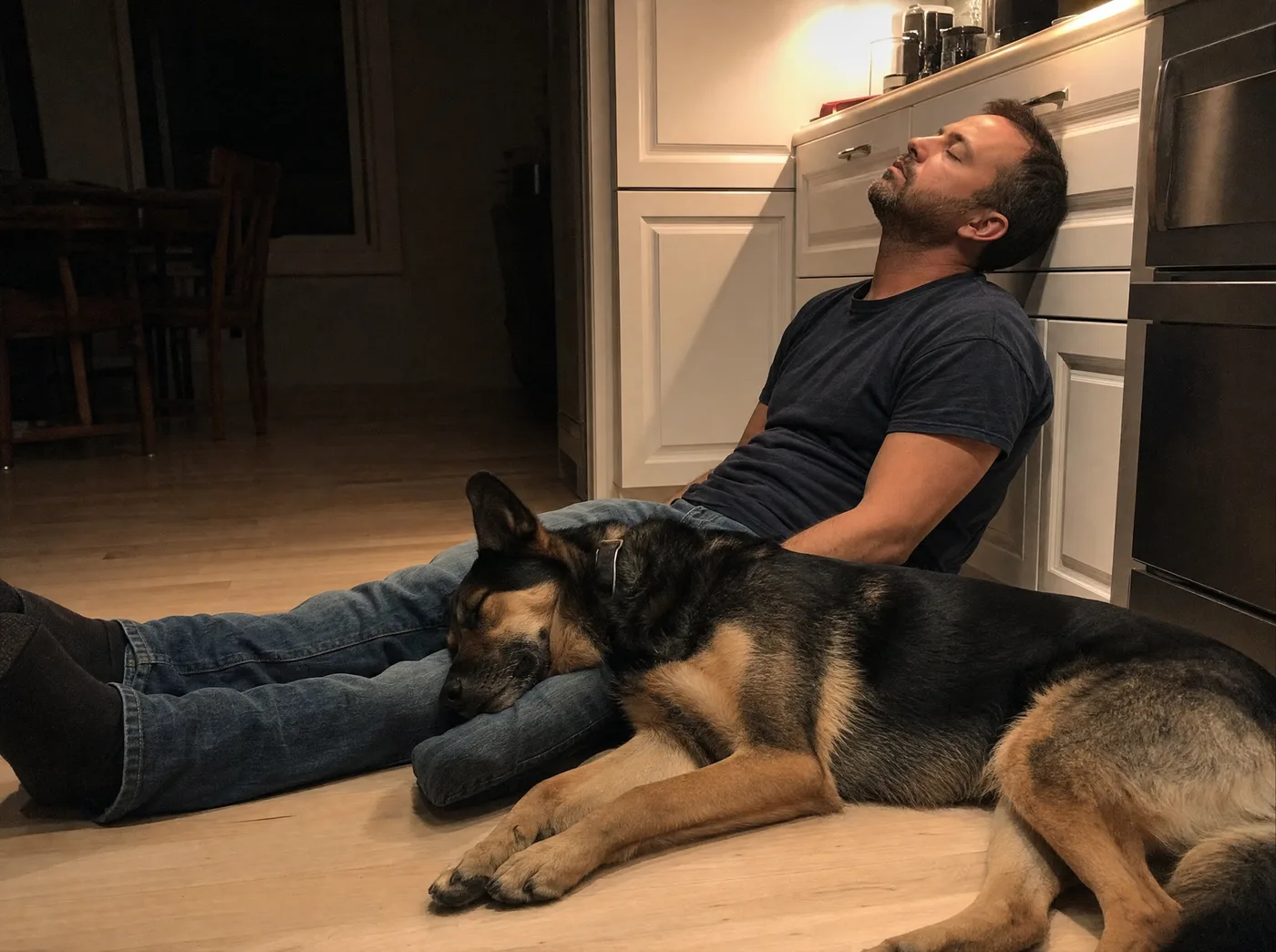
You come home late and find the two of them on the kitchen floor. The person who wanted him gone, and the dog, asleep against his leg.
The person who gave you the deadline asks what you changed.
That is why PawBright Vitality+ is backed by a 60 day money back guarantee. Use the whole tub. If the doorbell still sets him off, you pay nothing. No questions asked.

"Bruno snapped an inch from my daughter's face and my husband gave me until the first of the month to get rid of him. Two trainers and a prong collar had already failed. With eleven days left I started one scoop a day. Week three my daughter dropped her cup next to him and he sniffed it and walked away. My husband moved the baby gate to the garage that night. Last week I caught him adding the scoop himself."
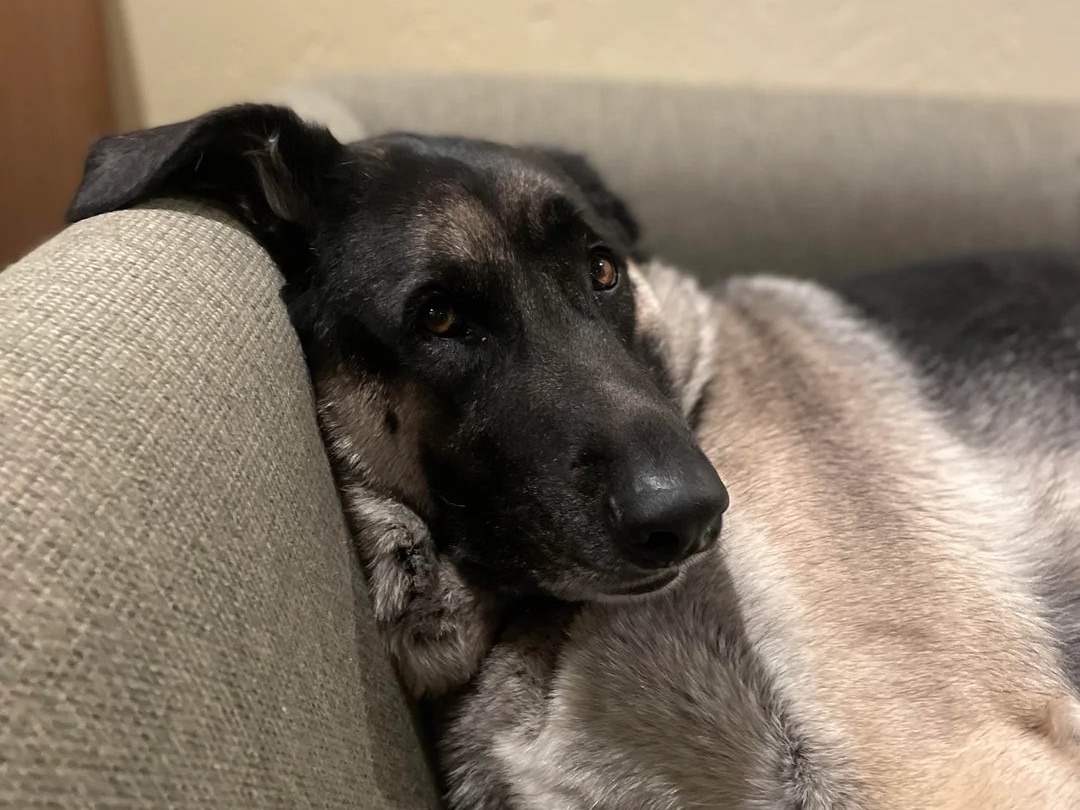
"My mother in law introduced Duke to people as 'the one that bites.' I walked him two miles before every family dinner so he would be too tired to react. One scoop a day and by week four he slept under the table through my niece's whole birthday party. Nobody said a word about him. That was the best thing anyone could have said."
"Rescue shepherd. Lunged at the doorbell, growled if you reached over him. The vet said the word Prozac and we started that and the scoop the same week. Six weeks later the mailman handed me a package right over his head and he did not even get up. I stood there like an idiot."
PawBright Vitality+ was built out of the same love you feel every time your dog looks up at you. We know he is not "aggressive." He is family.
That is why every ingredient in the scoop is there for one reason, to turn off the cortisol that is telling his body he is under attack. And every batch is made small and tested, so the count on the label is the count in the scoop.
Because when it is your dog, your kids, and your family on the line, another trainer is not good enough.

- Vet reviewed gut formula built for reactive dogs
- One scoop a day, about $1 a day. A whole month costs less than one hour with a trainer
- Works alongside training, and any medication your vet prescribed
- 60 day money back guarantee. Use the whole tub
- Made in small batches. When one sells out, the next can be weeks away
Here is the truth. Your dog gives you everything he has, every day, even while his body tells him the whole house is a threat. It is only fair we help him feel safe again.
Behavior problems are one of the most common reasons dogs are given up to shelters [11]. A dog who snaps is not a bad dog. He is a dog who is running out of time.
With PawBright Vitality+ you are not adding another trainer to the list of things that did not work. Try it today with 40% off and free shipping, and watch the doorbell yourself in six weeks.
[1] Kirchoff NS, Udell MAR, Sharpton TJ. The gut microbiome correlates with conspecific aggression in a small population of rescued dogs (Canis familiaris). PeerJ, 2019;7:e6103. https://pubmed.ncbi.nlm.nih.gov/30643689/
[2] Mondo E, Barone M, Soverini M, et al. Gut microbiome structure and adrenocortical activity in dogs with aggressive and phobic behavioral disorders. Heliyon, 2020;6(1):e03311. https://pubmed.ncbi.nlm.nih.gov/32021942/
[3] Pilla R, Gaschen FP, Olson E, et al. Effects of metronidazole on the fecal microbiome and metabolome in healthy dogs. Journal of Veterinary Internal Medicine, 2020;34(5):1853-1866. https://onlinelibrary.wiley.com/doi/full/10.1111/jvim.15871
[4] Notari L, Burman O, Mills D. Behavioural changes in dogs treated with corticosteroids. Physiology & Behavior, 2015;151:609-616. https://pubmed.ncbi.nlm.nih.gov/26344646/
[5] Dodman NH, Donnelly R, Shuster L, et al. Use of fluoxetine to treat dominance aggression in dogs. Journal of the American Veterinary Medical Association, 1996;209(9):1585-1587. https://pubmed.ncbi.nlm.nih.gov/8899022/
[6] Souza LB, Brandão ABP, Ferreira FG, et al. Lacticaseibacillus rhamnosus and Limosilactobacillus reuteri Probiotics Modulate Inflammation, Attenuating Chronic Stress-Induced Liver Injury and Behavior in Rats. The Journal of Nutrition, 2025;155(11):3823-3837. https://www.sciencedirect.com/science/article/abs/pii/S0022316625005553
[7] Bijaoui EMM, Zimmerman NP. Efficacy of a Novel Lactiplantibacillus plantarum Strain (LP815) in Reducing Canine Aggression and Anxiety: A Randomized Placebo-Controlled Trial with Qualitative and Quantitative Assessment. Animals, 2025;15(15):2280. https://pubmed.ncbi.nlm.nih.gov/40805070/
[8] McGowan RTS, Barnett HR, Czarnecki-Maulden GL, et al. Tapping into those "gut feelings". Impact of BL999 (Bifidobacterium longum) on anxiety in dogs. ACVB Veterinary Behavior Symposium, Denver, 2018.
[9] Swanson KS, Grieshop CM, Flickinger EA, et al. Fructooligosaccharides and Lactobacillus acidophilus modify gut microbial populations, total tract nutrient digestibilities and fecal protein catabolite concentrations in healthy adult dogs. The Journal of Nutrition, 2002;132(12):3721-3731. https://pubmed.ncbi.nlm.nih.gov/12468613/
[10] Lara-Villoslada F, Debras E, Nieto A, et al. Oligosaccharides isolated from goat milk reduce intestinal inflammation in a rat model of dextran sodium sulfate-induced colitis. Clinical Nutrition, 2006;25(3):477-488. https://pubmed.ncbi.nlm.nih.gov/16375993/
[11] Salman MD, New JG Jr, Scarlett JM, et al. Human and animal factors related to relinquishment of dogs and cats in 12 selected animal shelters in the United States. Journal of Applied Animal Welfare Science, 1998;1(3):207-226. https://pubmed.ncbi.nlm.nih.gov/16363966/